我为什么写作 | Why I Write
好像是一条潜流缓缓地遇到了一条细缝,于是决定试探地流淌出来 | an underground stream, moving slowly, had met a hairline crack — and decided, tentatively, to flow out

Read this letter in English…
1
小时候我非常会讲故事。
妈妈说,在幼儿园,有的时候老师们会让我来给小朋友们讲故事,这样老师们可以好好休息上很长一段时间。
是不是帮老师们休息了,这一点我记不清楚,但我倒是清晰地记得讲故事的场景——我和小朋友们坐在小板凳上围成一个圈,我总是会讲一些历险的故事,这样可以边讲边编情节,大致都是奥德赛或者西游记那种奇幻的旅程。
这种故事非常好讲,我经常把自己想象成也在这个故事里,情节往往就会自动展开。所以每次讲故事,我其实是在和小朋友们一起冒险。
讲故事的时候,我经常望向教室的门外,远处是攀枝花特有的山峦,那是横断山脉的序章,高大、荒凉的土黄色,连绵不绝,令人绝望。半山腰已经被开发成了住宅区,楼房依山而建,层层叠叠,树立在荒凉之中,有一种奇妙的科幻感。
妈妈的描述大致是准确的,一个例证是我的幼儿园老师非常喜欢我,记得有一次我和一群小朋友一起发疯,屋里屋外狂奔,她把我叫到钢琴边,我以为我会陷入麻烦,结果她拿出一个用硬纸板做的小玩偶送给我,小玩偶的关节都用线连着,一拉牵绳,便会手舞足蹈。这大抵是我讲故事的酬劳?
这个技能其实在30多年之后又有一次恢复。
女儿小的时候精力十足,每天晚上为了陪她睡觉就给她讲故事,一开始还是按照小说的逻辑,讲西游记,可是几个晚上之后,我就开始瞎编了,一则是根本记不清楚西游记的具体故事线,二则可能就是小时候编故事的潜能复活。
那种体验和在幼儿园的时候很相似,我边讲边编,边编边讲,和女儿一起历险。
2
对故事的痴迷随着年龄一起增长。
到了小学,我非常痴迷于相声。一到放假,可以自己窝在家里一整天不下楼,除了在屋子里搭窝棚,写大字,做变形金刚外,一直陪着我的背景音就是相声。我甚至可以一字不漏地背诵侯宝林、马三立的经典片段。
这些改造过的传统相声很少恶俗、快速致笑或者强行上价值的桥段,往往是架在一段离奇且精妙的故事上,徐徐展开,而故事背后也经常藏着值得细细品味的道理。
但是我并没有因此生发出对写作的兴趣。
我其实还莫名其妙地记得小学一次写作文的感觉,那是一种脑子里自己和自己较劲的感觉。手边的塑料壳的台灯,铺满绿色格子的作文本历历在目,而我颇是费了很大一番周折才在作文本上填满了规定的字数。
后来读到詹姆斯·鲍德温、乔治·奥威尔这些人都是在很小的时候就开始写作,我非常释然。因为写作对我来说,并不是那种宿命的事业。
真正喜欢上写作,要等到初中,我遇到了一位非常好的语文老师。
她其实比那时的我们也就大概大了一轮。我们十多岁,她二十出头。
她在我们的眼里,不仅十分美丽,而且不同寻常。
比如她发现早自习的时候,这帮青春期的学生大多都是没太睡够的样子,便会索性在周五的语文早自习上,拿来录音机,播放《巴黎圣母院》、《雷雨》的广播录音给我们听,让我们在各种名著录音中度过一个愉悦的周五上午。那个时候我们学业压力其实还是挺大的,这样的做法让我们显得非常另类。
我至今还记得,隔壁班的同学会在课间的时候,趴在我们的教室门口,一脸羡慕地跟着听,即便是课间,我们的录音也不会停。现在想想,这可能还塑造了我一种深层的观念——一定要在生命中预留出一段空闲,给自己的兴趣和美好的事物。
她启发了我的写作兴趣,从一篇作文开始,到了写周记的时候走向顶峰。
那篇作文大致是写自己周末的一件有意义的事。记得发下来的时候,她的评语几乎与我的作文一样长。评语对我的写作给予了相当高的评价,还细细指出了其中哪些句子、哪些词用得好,也给出了相当真诚的提升建议。这确实是在我的人生当中,第一次有一位师长辈的人物给我这么长的反馈,而这反馈的背后,更难得的是一种平等的态度。
为了训练我们的写作能力,她后来要求我们每周写一篇周记。而每次周记发下来的时候,无论长短,都会有她相当真诚的评语,有的时候甚至不是评语,更像是朋友之间的笔谈。
从那以后,我就相当期待她的反馈。或者这么说,对与一位朋友笔谈的期待,是我开始写作的动力。
这个周记其实完全没有什么硬性规定,而我,每次打开自己的周记本,就好像憋了一星期的素材、题目、灵感,终于有了一次畅快淋漓输出的机会。
很快,我的周记本上充满了对各种题材的尝试。议论文,或者叫做时评,这是我最擅长的,因为我经常对时事有一些“惊世骇俗”的言论,这一方面是对鲁迅的拙劣模仿,另一方面,那个时候经常看《参考消息》、《杂文月刊》,上面翻译的外电文章或者是鄢烈山的杂文往往会让我能够从一个相当新奇的视角看待世界。
还有诗歌,青春期的年纪,肯定是痴迷于情歌的,那个时候港台情歌正是巅峰期,很多歌词无比精妙细微,也成为我最早诗歌写作的模仿样本,它们比起唐诗宋词更容易模仿,比起北岛舒婷,也更贴近我们的生命体验。
每一次都会得到老师的积极反馈,鼓励,交流,现在想想,这对一个敏感的青春期心灵来说,真是雨露甘泉,于是它开始疯狂生长。
很快自信心爆棚,我开始在周记上连载小说。
试过一两篇之后,我整了个大活儿。像极了动物世界里的雏鸟,蹒跚了几步之后,便急不可耐地扇动翅膀,妄想一飞冲天。
一开始老师还会煞有韵味地品评一番,后来便是“等你写完我再一起评论”,终于有一次周记本发下来,上面的评语是“你啥时候连载完啊?”
最后老师帮忙联系了当地报纸的一位编辑,把我这篇小说发表了。这是我人生中第一次看到自己写的东西变成铅字,那种感觉很奇幻。我记得稿费大概是50元,是一张寄到妈妈单位的电汇单。
其实也有挑战。
有一次语文课上需要练习一种写作手法是“通感”。可是我的作文发下来,并没有合格,因为没有使用课本上教的通感手法。
当时我的内心是相当挫败的,这篇作文我写得相当动感情,而且,我觉得语文书上那个通感实在是非常教条,心有抵触。
没办法,硬着头皮,按照书上范文的样子,捏着鼻子又写了一篇交了上去,老师大概也是看出了我的抵抗,评语是“你过关了”。
其实后来读到白居易的《琵琶行》、陈春成的《音乐家》,我才再次确定,教科书上的通感范文,该换换了。
老师给我了人生中第一次智识上的启蒙。
她带着我们走进了文学的世界,让我们体会到了文字之美。我现在的书架上还有一本她送我的《台湾现代诗》,扉页上是她娟秀的笔迹记录下的购买时间和地点,内页好几首都有她自己的勾划和点评,字迹不疾不徐又充满感情。
另一层面的启蒙是精神上的。
她并没有把我们箍死在课本上,而是带着我们去更广阔的世界探索文字之美,并主动为我们撑开一片天地。
有一次她让我们自己每个人办一份报纸,也就是在一张A3大小的纸上自己画版面、写文章,画漫画也可以。
而且,这是一次作业。
这个“作业”在当时是相当惊世骇俗的,而更加惊世骇俗的是接下来的家长会。
照例是在我们的教室里,家长坐一半,学生坐另一半,每一位任课老师都会上来介绍一下我们的学习情况。
她走进来的时候,抱着一摞我们的“报纸”,发给所有的家长传看,我们这些学生都很惊讶。她对家长们说,“你们可以从这些报纸上看到这些孩子们的内心世界有多美好和丰富。”
我还记得当时她那青春洋溢的脸上,带着甜甜的微笑,眼睛看着天花板,好像又在和我们一起徜徉在文字的天地里。她的普通话带着四川口音,轻灵悦耳,不疾不徐,真心诚意。
我们就是这样在周记、报纸、录音中浪费了大把的学习时间,但是我们的语文全市统考平均分,竟然能拉开第二名的班级极多,对,是平均分,而且第二名是我们当时唯一的一所重点初中。这是一个让所有人,包括家长、校长、教育局,以及我们自己都瞠目的成绩。
也许也正是如此,我们拥有了更大的自由度,班上甚至涌现出一批“搞文学创作的”,其中有三个人相当出彩,一位瘦高的同学以写美文独领风骚,一位的小说写的相当抓人,这两位的文章我自然是读过,自愧不如。我是那第三个,以写杂文忝列其中。
3
也许就是这样的原因,我大学专业选择了新闻。
“这样的原因”,其实就是指此前那简单的人生。
小时候的经历,让我对故事充满了兴趣,我痴迷于各种情节、角色,每一个故事的展开,就像是一段人生的图卷,而我们的喜、怒、哀、乐、悲、思、恐、惊就是画卷的色彩和浓淡。
青春期的启蒙,又让我发现在色彩和浓淡的背后,是一个个“道”和“理”。它们彼此相融相斥,生发出我们的爱恨情仇、宿命抗争、沉沦绽放,这些宛若看不见的气和神,流转于人生画卷之中,但也构成了画卷的骨架。
走上新闻这条路,几乎也就注定这两条暗线开始交叉汇合。
但是在大学期间以及毕业进入新闻行业的最初一两年,我陷入了写作的陷阱,苦苦挣扎,难以脱身。
这种挣扎,还差一点儿彻底抹除了我青春期一来根植在骨子里的那种不羁、自信于文字,还有点儿愤世嫉俗的精神面貌。
这个陷阱是思维。
我的大学时代,仍然是那个充满了浪漫主义和理想主义气息的校园。
有一位文学史教授,曾经是北京文化圈小有名气的人物,他的课上得激情四溢、大汗淋漓。有一次他讲鲁迅,激动时真的有汗滴甩到了前排座同学的脸上。他也会在周末的晚上,请学生到他那堆满书的家里吃饭,聊天。惊人之论、没有禁限的话题、浓密的信息,常常让我们这些年轻躁动的心灵久久不能平静。甚至走出来之后,我们仍然会顶着北京冬夜的寒冷,在昏黄的路灯下交谈着,激动时哽咽、颤抖,幻想我们就生活在五四时代。
书籍也突然变得更加丰富和多元,图书馆的四层专门有一间阅览室叫“港台图书阅览室”,它们的信息和视角远远超过了《参考消息》和鄢烈山。更接地气的是校园内经常会有书贩沿街摆摊,各种书籍,3块5块一本,从黑格尔到《美的历程》,从马恩全集到王力的《古代汉语》,从《道德理想国的覆灭》、《耻辱者手记》到《中国可以说不》。我经常端着饭盒,巡阅着地上满满铺开的这些书,然后在北京灰沉沉的天气里,买下一两本带回宿舍封存。
这种多样、复杂在一开始就将我的思想彻底击碎了。眼花缭乱之余,这些碎片却一直无法重构,也让我的写作一下子失去了锚点。
我当然知道这样的混乱是一个新的开始,但是兴奋、焦虑、疲惫的同时,我被裹挟于思想的漩涡,苦苦挣扎之中,我开始不自觉地用语言的夸张来弥补思想的不足和混乱。
但是,任何夸张都是虚弱的、极端的、模式化的。
现在翻看那个时候的写作,无论是校报校刊,还是在顶级大报实习时发表的文章,甚至自己的日记里,都能看到这样的呐喊,笔端已经不是常带感情,而是风雷激荡。这当然有荷尔蒙的味道,但是也只有这样,才能让我找到一种虚假的力量。我内心也知道,风雷闪过,其实什么也没有留下。
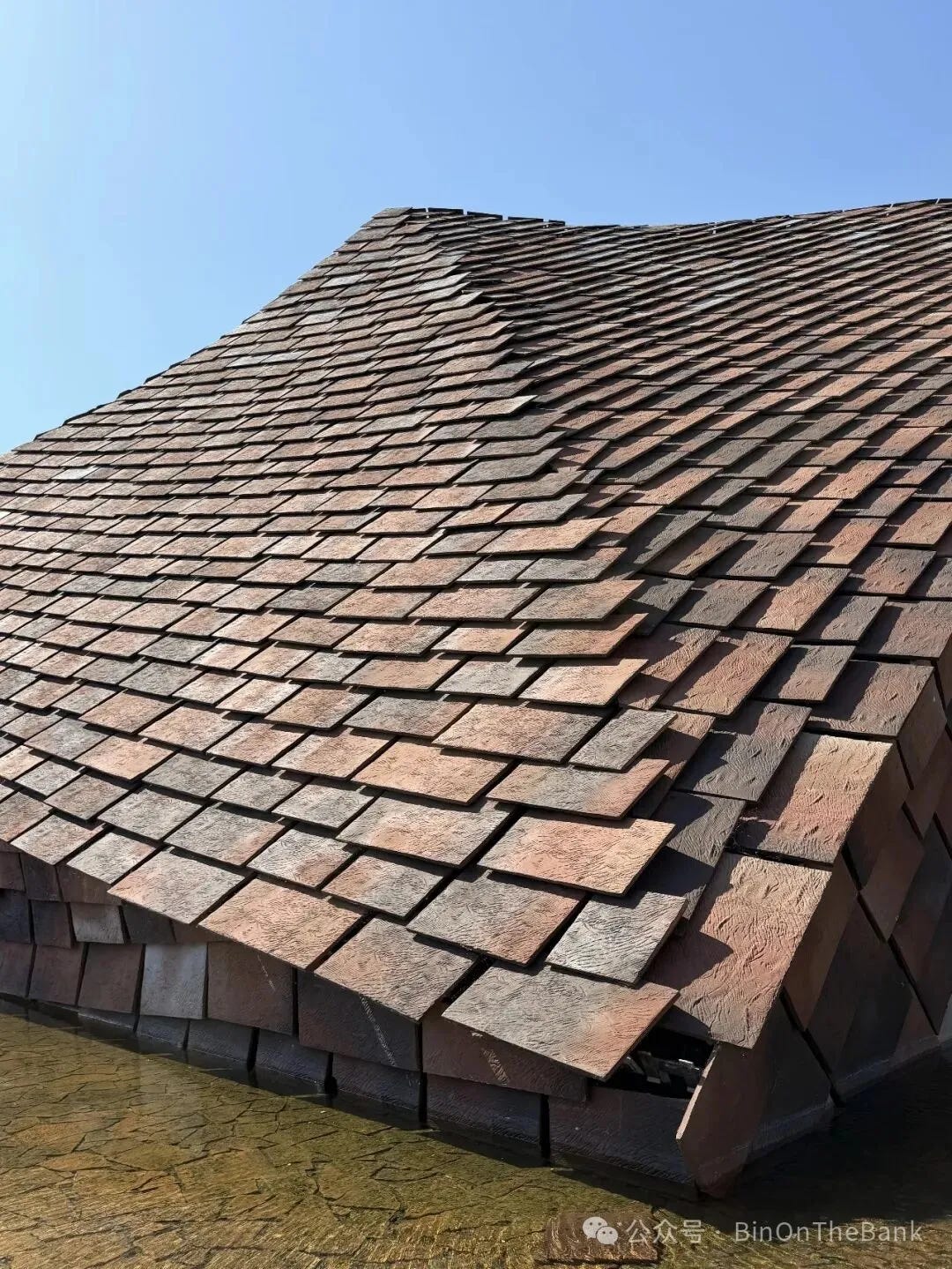
by Bin
4
这种困扰在我进入新闻行业的最开始,几乎击溃了我。
我入行进入了一家新闻杂志。在那个年代,杂志应该是所有新闻形态中对写作要求最高的,而这个要求的背后,其实并不是写作,技术层面是对新闻事件的调查、分析和解读,思想层面是对那个狂飙时代的洞见。
风雷激荡不再有效,我曾经在长达几个月的时间里发不出文章,压力最大的一次,我在深圳出差,把自己泡在酒店的浴缸里,觉得人生非常失败。
这是我写作的第一个绝望谷底。
转机好像是在偶然间发生,大概是一篇相当长的稿子,交上去,等到的不再是主编的暴跳如雷,而是相当正面的夸奖。我不知道这样的转机为什么在那一篇稿子发生,但是我知道它为什么发生。
现在想想,就是疯狂补课,思想重生。
每次做一篇稿子之前,我都会查找、阅读海量的资料,因为大学学的知识无可依赖。渐渐地,我积累了满满几大本采访笔记和一盒又一盒的采访录音带。有的时候遇到陌生的话题,我会把录音带的内容逐字整理出来,像准备考试一样,把这些笔记再读上几遍。
曾国藩说“结硬寨、打呆仗”,于我这种愚钝之人,真是不二法门。
见识的增长,也重塑了我的写作。
我做了大概7年的调查记者,接触过各行各业的人,“三教九流”都不足以概括他们。见识过人类的龌蹉、残忍、无私、美好。小人物寄给我一箱箱的上访材料和血书,也有大人物一掷千金的宴饮。甚至河流也都是截然不同的,在北方一个癌症村里,蜿蜒的小河被染成了奇幻的色彩,散发着致命的鲜艳光泽和令人恐惧的气味。而在伊犁河边,我见过最为壮美的日落和旷野,像个傻子一样一遍遍默念“大漠孤烟直,长河落日圆”。这些经历,对一个20多岁的年轻人来说,就是一次次浴火重生。
这些经历,助长了我年幼时对故事的痴迷,而且远远比那些儿时的故事更有血有肉,扑面而来的,是真实生活的一呼一吸。
另一重重塑是我对写作的追求。
那个时代的我们,非常流行模仿国际新闻写作手法——完全基于事实的写作,将记者自己的观点和感受隐藏起来,甚至消灭掉一切空洞的形容词。
渐渐地,我发现我不仅走出了谷底,摆脱掉了呐喊腔,甚至开始对任何高大上的理念充满了警惕,对各种振奋人心的说辞充满了怀疑。我更追逐于用平白的语言,事实的描写,去为我的读者们复述我看到的一幅幅人生画卷。
但是我知道,我也亟需另一次的蜕变。
5
这一次是时局变化,我陷入了一个深深的尴尬之中。
从精神底层来说,做记者与青春期以来就浸淫其中的理想主义是合拍的。
铁肩担道义,妙手著文章。
在那个时代,这一切是有可能的。
当四川的老农民们顶了巨大的风险把你护送到乌斯河火车站,而你的文章却又真的延缓了当地的征地进展;当咸阳的工友在出狱之后第一个电话就打给你,告诉你,两年前那篇文章真的让他们的补偿权益获得了提升;当河南那个叫王幸福的老刺头有一天打电话,不再是为民伸冤,而是告诉你,你写的计划生育的调查让整个镇上的干部都不再敢胡来,半辈子为村民打抱不平的他不仅成了村民的英雄,也因此收获了爱情的时候,甚至你为此写了一篇小文《王幸福的幸福》,主编在发稿签上批下一句“读欧阳的稿子就是一种幸福”的时候,任何一个年轻的心灵,恐怕都会暗自洋洋得意,恐怕都会误以为自己真的可以担起某种“道义”。
当然,很快你就会发现,文字其实是极为脆弱的。
随着幻灭感接踵而来的,并不仅仅是对现状的苦闷,也看到了自己写作上还有一个更大的短板——认知上的疲弱。
而这一次,与上一次完全不同。如果说上一次更多是价值观的重建,那么这一次,是认识方法上的窘境。
从业五六年之后,我已经不再刻意去磨砺自己的文字,我也储备了太多的故事,见识过了足够丰富的人间,但是如何深入挖掘这些故事背后的深意?我太知道自己不仅生活在一个大时代,也在记录这个大时代,但是这个大时代是怎么来的,又会往什么方向演进?每当想起这些问题的时候,我都会觉得虚弱——我应当如何用更加科学主义的、理性主义的方法,基于对这些故事的分析和穿透,去洞察这个社会、这个时代?
答案,已然是新闻行业本身无法提供的了。
尽管写作仍然进行着,也会时不时收获各种表扬和荣誉,但是我的内心极度苦闷和焦虑。有一次,在大雪纷飞的冬夜,我和一位美丽的朋友在中粮广场的星巴克里说起此事,她没有觉得我矫情,甚至非常能够理解我的焦虑,这竟令我极为感动,甚至在我的记忆中,那家星巴克也因此永远都是热气腾腾的。
于是我决定出国,而且一定要去读一个博士学位,因为我知道访问学者太过于容易而难以解决我面临的困境。而且一定要脱离新闻这个专业,因为于我而言,真正的突破不再会是技巧上的提升。于是我选择了政治学和历史,而学习的主要方向,是社会科学方法论。
6
在海外读书自然是要用英文写作,而且是写学术论文。这两者都是我从未尝试过的,当此前赖以为生的经验突然全部失灵的时候,让我体验到了一种失重的感觉。
我又一次变成了不会写作的人。
有一次论文发下来,导师在我的一段句子下画了长长的一条线,旁边写着“I don’t understand this sentence” (“我读不懂这个句子”)。
这一次,我没有把自己浸泡在波士顿的浴缸里,但是内心的绝望一点儿不次于7年前初出茅庐的时候在深圳的那次绝望。
这一次,写作面对的怪兽是语言,我看不见战胜它的可能。
我相信文字是与文化基因,甚至与我们的认知方式是嵌套在一起的。当我用非母语进行深度写作的时候,我感觉自己就是那个想要拔着自己的头发,把自己从泥沼中拔出来的人。维特根斯坦那句“语言的边界就是我的世界的边界”,于英文写作的我来说,是一个精准且尖利的概括。
而且,此前的文字训练和经历,成为了更大的负担。因为我对文字非常敏感,我纠结于每一个动词背后的意义差别,惶恐于不同句子结构传递的情感和语义的差别,我甚至费了很大力气,发现也不太能体会到一些英文语句原本的文字力量,这,令我非常苦恼。
举个例子吧。
鲍德温在Notes of A Native Son中讲到自己为什么写作的时候,多次提到birthright,其中有一句“I have to claim my birthright”。是的,这个句子我完全能“读”懂,但是,只有停下来,反复咀嚼claim和birthright这两个词的时候,我才突然发现这是多么有力量的句子啊,而且这背后的力量,很难用中文精准传递。如果你再想想,鲍德温是一个生活在五十年代的黑人同性恋,这三个标签实在是不能更差地重合在了一起,那你才能明白这个句子对于作者本人来说,是怎样的一种重量和呐喊。
我的写作风格也在挣扎中被迫再次变化——一个我并不喜欢的方向。
出国留学原本就是为了提升自己的研究方法,所以我花费了大量的时间和精力学习社科研究方法,从定性到定量,从史料核察到统计学,当然更多的是学习如何使用R、Stata、SPSS这些计算机程序去做定量研究。这样带给我的一个潜在影响是,我的写作距离具体的故事和人更加遥远,更加工具化。
当然,后来我发现自己与美国社会科学界试图将人类社会数据化、统计学化的研究方法越来越格格不入,甚至内心极为抵触,抵触的强度远远超过了当初非要比照课本上的方法来做通感写作,以至于我最后放弃了继续攻读博士学位。
不过老实说,我也不应该用对文学和文化概念下的写作的预期,来要求学术写作本身。
缠斗于学术写作的那几年里,我知道内心还是有一丝火焰在乱窜。
在做研究最忙乱的时候,我竟然也从图书馆借阅了大量的中国古代诗词,甚至在冲击毕业论文那段最艰苦的时光里,经常和我一同如厕的是一本清版的《苏文忠公海外集》。在燕京图书馆查资料的时候,时不时就发现自己捧着一本民国26年初版的《鲁迅先生纪念集》看了一个下午。
你看,当年写毕业论文看过的那一百多本参考书我现在一本的名字都记不起来,但是这两本闲书我现在还清晰地记得它们的装帧和纸张的触感。
7
在纽约工作的最初几年,我回到了新闻写作,只不过从中文换成了英文。
非母语写作的拧巴,仍然缠绕着我,由语言树起的思想的边界,也仍然在牢牢地圈禁着我,但是我并没有读书时那么痛苦了。这并不是因为我的英文写作提升了,而是因为经历过严苛的论文写作,用英文写新闻类的内容显得简单了很多;而且此时的我,可能内心也已经放下了纠结。
内心的松弛反而让我可以慢慢欣赏到英文写作的美。比如十多年前,第一次阅读约翰·麦卡菲那本著名的Annals of the Former World的时候,我惊讶于他竟然能把纽约的地貌,用白开水般的文字写得那么有趣,以至于从那以后每次走在中央公园的时候,我都会认真去看那些裸露出来的岩石。(麦卡菲有一个在中国大名鼎鼎的学生叫何伟。)
我至今还记得在《纽约客》上曾经读过的那些非常精彩的篇章,比如一篇写英国鸟蛋收集者们的文章,不知怎么着,隔了十多年仍然萦绕着我。我还发现自己竟然这么喜欢阅读传记,凯瑟琳·格雷汉姆的那本自传我竟然读过两遍,那真的是一种真诚的生命文字。沃尔特·艾萨克森的几乎每一本书我都读过,我发现同一题材,比如富兰克林和冷战史,艾萨克森也许并不是研究最深的,但是他写作的节奏和韵律感,还有对故事的选择和裁剪,都是天才般的存在。虽然我总觉得自己与西方小说八字不合,但是读起乔治·奥威尔的散文,竟然感受到了一种和自己内心非常切合的气场,甚至有一种总想拿起它不断读下去、反复读下去的冲动。
但是我仍然决定退出新闻圈,甚至坚决地不再写作,硬转行去做一些别的事情。这与那些年我对写作本身的意义充满怀疑,对于“写作者”这个角色的个性和命运充满抵制紧密相关。
今天想想,当年那么幼稚但决绝的决定,可能本质上还是因为我自己的认知进入到了一个深深的怀疑中,我总觉得写作其实也在误导着我的思维。
当年读历史,总是困惑于“坑赵卒四十万”这样宽泛的描述,它们更像是要制造一种感受,而非追究真实的事实。这已经是我们敬重的典籍,这样的写作以及这样写作背后的思维模式曾经塑造了我的审美,如今令我困扰。
而对于文学,我青春期时对它的那种爱恋似乎也已经消失殆尽,这固然与荷尔蒙的减少相关,而另一方面,我似乎对那些缠绕的情愫、比拟的讽喻、虚构的世界都失去了兴趣。可能在我决定出国留学的时候,我的内心就被真实描述这个世界,客观且科学地解剖这个时代的想法所占据,我也因此更推崇写作的准确性、客观性,这甚至让我在很长的时间里告别了文学阅读。
然而,留学却让我发现向着另一个方向的探索也充满困扰。
还记得我第一次饶有兴趣地打开美国国际关系领域的顶级刊物,突然发现里面全是各种基于统计学的方程式,我还以为自己错拿了自然科学的刊物。这就是我所要追求的科学主义和理性主义吗?那活生生的人,人头脑中那些细微差池所发挥的效用,还有各种文化、习俗带来的影响,这些都可以用概率、相关性(correlation)来求解吗?
我对两端的写作都彻底失望,无论这样的想法多么幼稚、极端,我确实在长达数年的时间中,不再写作,也完全不想成为一个写作者。
这种坚决让我身边的师友感到惋惜。有一次我和一位美国相当传奇的写作者一起在曼哈顿步行,他突然对我说:“斌,你是一个非常好的写作者,你要坚持写作。”
“我真的太忙了。”
“我们永远都会非常忙,但是你要逼自己写作,如果你不逼自己,就不会有人逼你,你就永远不会再写了。”
他说的是对的,当时,我已经认为我应该永远不会再写了。
我们这段对话的前一天,他刚刚从西海岸飞到东海岸,凌晨落地,他仍然逼自己写了一个小时,当时他已经接近80岁,出版了十余本虚构和非虚构作品。而白天,他仍然会纠缠在各种俗务之中。
我知道他说的写作,是一种生命状态。这也是我在美国频频遇到的启迪,在这里,很多极为杰出的师长,经常会以一种宗教性的虔诚,对待他们所挚爱的事情。
但是,当时我并没有将写作融入到我的生命状态中来,开始认真地重新投入写作,要等到疫情。
8
疫情,是一个蛮横的休止符。
做了多年的记者,我以为我阅尽了沧海桑田,可是没想到,过往四十年,热腾腾的历史和人心、全球通行的模式和认知、人与人之间的常伦,竟然都可以在须臾之间,掉头就转向另一个方向,而且不断加速度地跌下去。
对未来的恐慌,对现实的愤怒和无奈,都比不过内心深处的压抑。
唯一的舒缓,就是在居所旁边的湖边,一圈圈地跑步,庆幸地是几乎没有什么人,庆幸地是每次都能够有明晃晃地太阳和摇曳的芦苇相伴,庆幸地是随着汗水和疲惫一同袭来的,是内心细微地裂开,让堵在心口的郁结有了些微的释放。
突然有一天,我面对着电脑,开始写下自己的过往。
现在已经忘了具体的由头是什么,总之就那么开始写了起来,而且写了一个自己相当得意的开头,而且我知道这会是一篇小说。
就这样,写小说,几乎成了困在家中的垫脚石——每天想起自己还有这件事情要做,好像一下子有了一个支点,那种在攀岩的时候,脚尖突然找到的那小小的一块岩石。这也像极了初中时代,每个周五的下午对摊开周记本的渴望。
这种写作的过程竟然给我带来了一种前所未有的愉悦。随着文字的展开,过往那些经历重新浮现在屏幕上,我的那些故人们,也渐次活了起来,他们开始对我微笑,和我说话,甚至我也回到了那些过往一幕幕的场景当中,有的时候我悬浮在空中看着彼时彼刻的我们,有的时候我坐回到他们的对面,和他们说着话。
随着疫情的淡去,人们又重新忙碌了起来。我的小说写作到了中途也就停了下来,现在上半部还躺在我的电脑里。但是这段经历非常有趣,我好像又活了一遍自己的前半生。那些已经遥不可及的人、事和岁月,被我重新请出来、扶出来,困居的日子好像也变得有趣了。
但是即便如此,我也没有想过认真地重回写作,疫情期间写小说,更像是一次悄然进行的自我救赎——当苦痛过去,救赎也就被遗忘。
9
但是苦痛是人生常态啊。
2025年这个痛苦的夏天,情绪触底之后,我突然发现半生已过。很多困扰其实年少时就已经缠绕过我,当它们再次降临,我唯一的长进是能够站在终局的视角回看手里剩下的日子,好像有一些不太一样的想法在浮现,我说不清,但是它们在思维的水面下潜行。
此生为何?
这个问题曾经让年轻的我长吁短叹,让我深夜买醉,让我月下徘徊,但是既不得解,也好像是在为了彰显自己的气息、修养和深思而进行的做作表演。而如今,这个问题不再是从书本上来,而是现实用苦痛为巨掌,将我死死压住,逼我回答,不仅如此,它还告诉你,半生已过,你已经没有时间再逃避这个问题了,如果不想终了于虚无和茫然的话。
8月,在飞回纽约的飞机上,我读了陈冲的《猫鱼》。
这是一本极为坦诚的自传,坦诚到她将自己那么隐秘的人生角落都书写了出来。后来我问她坦诚的缘由,她说这本书起源于最开始朋友发给她自家的老宅照片,照片中的老宅已经面目全非到她一开始没认出来,但是那些记忆却渐次复活,而且历历在目,于是便有了这本书。
比起对读者,这些文字对陈冲自己更重要。那些过往的岁月如同河流一样逝去,但是通过书写,它们被挽留,被重现,我们也可以再活一遍、几遍。这简直就是博尔赫斯所说的“我们即是我们的记忆”。
陈冲说,等她再老一些,或许还可以写得再坦诚一些。
这,也默默地启发了我。
我翻出荒废已经的微信公众号,把名字改成了“Bin on the Bank”,发布了第一篇文字,《陈冲穿越人生》。
好像是一条潜流缓缓地遇到了一条细缝,于是决定试探地流淌出来。
这些文字和我过往那些都不一样,不再是呐喊,也不再是科学、客观的分析,而是我自己一次次地回到过往,或是潜入自己思想和情绪的海底,把我打捞的东西坦诚呈现出来。而且这一次,它们首先是写给我自己。(阅读量极低,好像也只能这么说啦。)
如果岁月是河流,那我最喜欢的两个场景分别是:
在岸上感叹“逝者如斯夫,不舍昼夜”的孔老夫子,那且歌且吟,把无奈说出了一股子星汉永恒;另一位在岸上感叹“小舟从此逝,江海寄余生”,这个半醉的苏老头,把无奈说出了一股子天地辽阔。
写着写着,发现文字原来还有另一层功效。为了写字,我不得不更加细致地观察这个世界和自己的过往,也会对一些人、事、情去多想一步。这多了一点点的观察和思考,好像是一把钥匙,我好像回到了幼儿园的那个时候,仍然兴奋于一次次的探险,只不过这次,我能打开更多的门。
半生已过,曾经孟浪,一事无成,想想,想爱这段人生,无论是留住自己的过往,还是更好奇的探险,所可凭赖的,也只剩下文字了。
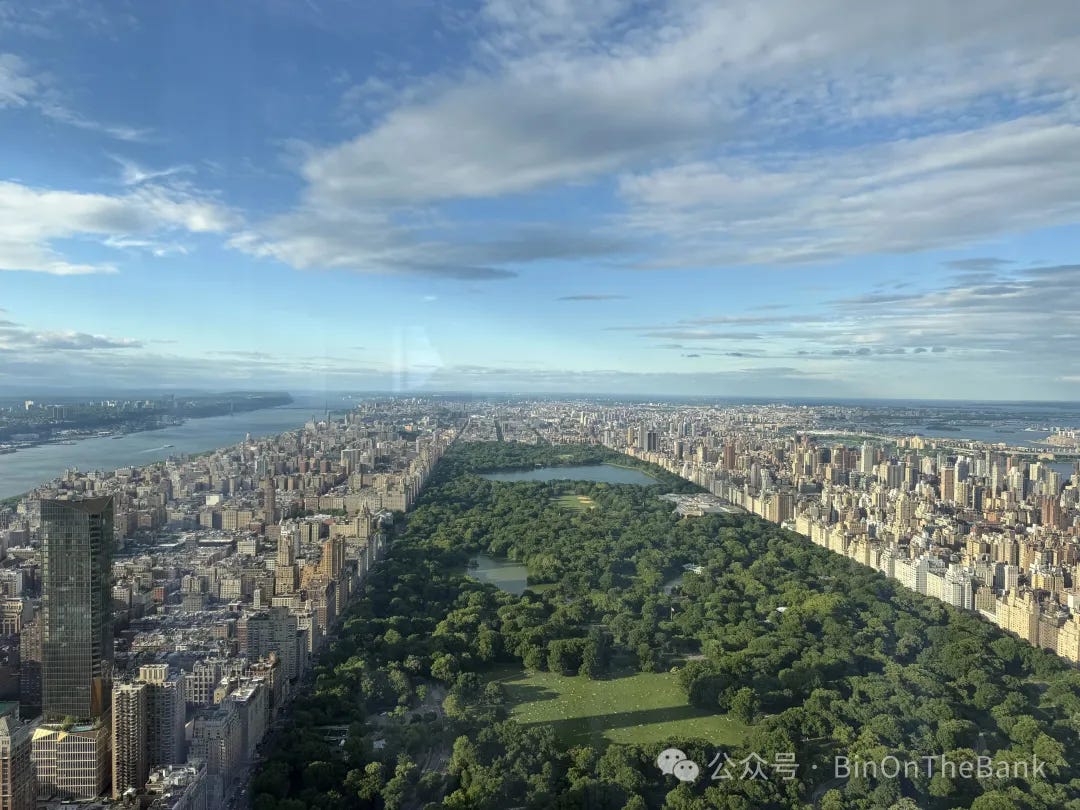
English Version
Why I Write
1
When I was small, I was very good at telling stories.
My mother says that in kindergarten, the teachers would sometimes have me tell stories to the other children, so that they themselves could take a good long rest.
Whether I actually bought the teachers their rest, I can’t recall. But I remember the storytelling itself with perfect clarity — the children and I sat on little stools in a circle, and I always told tales of adventure, because adventures let you invent the plot as you go: fantastical journeys, more or less, in the vein of the Odyssey or Journey to the West.
Stories like that are easy to tell. I would imagine myself inside the story, and the plot would unfold on its own. So every time I told a story, I was really off adventuring with the other children.
As I told my stories, I would often gaze out the classroom door. In the distance rose the mountains particular to Panzhihua, the overture to the Hengduan range: tall, desolate, an earthen yellow running on and on, unbroken, enough to make you despair. Halfway up, the slopes had already been developed into housing — buildings stacked tier upon tier against the mountainside, standing up out of all that desolation with a strange science-fiction air.
My mother’s account is broadly accurate. One piece of evidence: my kindergarten teacher was very fond of me. Once, when a pack of us went berserk, tearing around indoors and out, she called me over to the piano. I thought I was in trouble. Instead she produced a little puppet she had made of cardboard, its joints strung together with thread, so that one tug of the string set it dancing, arms and legs flying. My storyteller’s wages, I suppose?
More than thirty years later, the skill made one comeback.
When my daughter was small she had energy to burn, and every night, to see her off to sleep, I told her stories. At first I kept to the logic of the novel and told Journey to the West, but a few nights in I began making things up — partly because I could not actually remember the storyline, and partly, perhaps, because the childhood knack for invention had come back to life.
The feeling was much as it had been in kindergarten: I told and invented, invented and told, off adventuring with my daughter.
2
The obsession with stories grew as I did.
In primary school I fell hard for xiangsheng, traditional Chinese crosstalk comedy. The moment vacation came, I could hole up at home all day without once going downstairs; apart from building forts in my room, practicing calligraphy, and fiddling with Transformers, the soundtrack that never left me was crosstalk. I could recite the classic routines of Hou Baolin and Ma Sanli without dropping a word.
Those reworked traditional routines rarely stooped to vulgarity, cheap laughs, or strained moralizing. They were usually built on some strange and exquisite story that unfolded at its own unhurried pace, and behind the story there was often a truth worth turning over slowly.
None of this, however, gave rise to any interest in writing.
For some reason I still remember the feeling of writing one primary-school composition — a feeling of wrestling with myself inside my own head. The plastic-shelled desk lamp at my elbow, the exercise book covered in green squares: I can see them still. And it took considerable maneuvering to fill those squares up to the required count.
Later, reading that men like James Baldwin and George Orwell had all begun writing very young, I felt a great relief. For me, writing was never that kind of destiny.
Truly falling for writing had to wait until junior high, when I met an exceptionally good teacher of Chinese.
She was barely a dozen years older than we were. We were in our early teens; she was in her early twenties.
In our eyes she was not only beautiful but unlike anyone else.
She noticed, for instance, that during morning study hall this roomful of adolescents mostly wore the look of the under-slept — so on Friday mornings she simply brought in a tape recorder and played us radio dramatizations of The Hunchback of Notre-Dame and Thunderstorm, letting us pass a pleasurable Friday morning among the recorded classics. The academic pressure in those days was considerable, and this made us conspicuously odd.
To this day I remember students from the class next door draped over our doorway between periods, listening along with naked envy — even at recess, our recordings never stopped. Looking back, this may have planted one of my deepest convictions: that a life must keep a stretch of idleness in reserve, for one’s own interests and for beautiful things.
She kindled my interest in writing — beginning with a single composition, and reaching its height in the weekly journal.
The composition was the usual assignment, something meaningful you did over the weekend. When it came back, her comments ran nearly as long as the composition itself. They praised the writing in generous terms, pointed out, sentence by sentence, which lines and which words had landed, and offered suggestions of complete sincerity. It was the first time in my life that anyone of my teachers’ generation had given me feedback at such length — and rarer than the length was what stood behind it: an attitude of perfect equality.
To train our writing, she later required a weekly journal from each of us. And every week it came back — long entry or short — bearing comments of real sincerity; sometimes not comments at all, but something closer to two friends conversing on paper.
From then on, I waited eagerly for her response. Or put it this way: the prospect of a written conversation with a friend was what set me writing.
The journal had no hard rules at all, and I — each time I opened mine, a week’s pent-up material, subjects, sparks of ideas finally had their chance to pour out in one exhilarating rush.
Soon the notebook filled with experiments in every genre. Argument — call it commentary on the times — was my best event, since I was forever producing “scandalous” pronouncements on current affairs: partly a clumsy imitation of Lu Xun, and partly the effect of reading Reference News and Essay Monthly, whose translated foreign dispatches, and whose essays by Yan Lieshan, kept showing me the world from startlingly new angles.
Then there was poetry. At that age one is of course besotted with love songs, and the pop ballads of Hong Kong and Taiwan were then at their absolute peak, their lyrics exquisitely fine-grained. They became the models for my earliest attempts at verse — easier to imitate than Tang and Song poetry, and closer to the texture of our lives than Bei Dao or Shu Ting.
Every attempt drew her active response — encouragement, exchange. Thinking of it now: to a sensitive adolescent soul this was rain and sweet springwater, and the soul began to grow wild.
Confidence soon ran over the brim, and I began serializing a novel in the journal.
After a trial piece or two, I staged my grand production — exactly like a fledgling on a nature program that totters a few steps, then beats its wings in a frenzy, dreaming of soaring straight into the sky.
At first she would savor and appraise each installment in style; then it became “I’ll comment when you’ve finished”; until at last the journal came back bearing the comment: “So when exactly does this serial end?”
In the end she put me in touch with an editor at the local newspaper, and the novel was published. It was the first time in my life I saw my own words set in lead type, and the feeling was fantastical. The fee, I remember, was about fifty yuan — a remittance slip mailed to my mother’s work unit.
There were trials too.
Once, in Chinese class, we were to practice a rhetorical device: synaesthesia. My composition came back unpassed, because it had not used the synaesthesia taught in the textbook.
I was thoroughly deflated. I had written that piece with real feeling — and besides, I found the textbook’s synaesthesia hopelessly doctrinaire, and my heart balked.
There was nothing for it. Steeling myself, holding my nose, I wrote another in the image of the textbook model and handed it in. She must have seen the resistance in it; her comment read: “You pass.”
Only later, reading Bai Juyi’s “Song of the Pipa” and Chen Chuncheng’s “The Musician,” was I confirmed in my view: the textbook’s model passages for synaesthesia were due for replacement.
She gave me the first intellectual awakening of my life.
She led us into the world of literature and let us taste the beauty of the written word. On my shelf today there is still the anthology of modern Taiwanese poetry she gave me, the date and place of purchase recorded on the flyleaf in her graceful hand; inside, several poems carry her own underlinings and notes, the script unhurried and full of feeling.
The other awakening was of the spirit.
She did not hoop us tight inside the textbook. She took us out into a wider world to look for the beauty of words, and held open, with her own hands, a patch of sky for us.
Once she had each of us produce a newspaper of our own — lay out the page on a sheet of A3, write the articles; cartoons welcome.
And this was homework.
The “homework” was scandalous enough for its time. More scandalous still was the parent-teacher meeting that followed.
It was held, as usual, in our classroom, parents seated on one side, students on the other, each subject teacher coming up in turn to report on our progress.
She walked in carrying a stack of our “newspapers” and passed them around for all the parents to see. We students were astonished. “From these newspapers,” she told the parents, “you can see how beautiful and how rich these children’s inner worlds are.”
I can still see her young face with its sweet smile, her eyes lifted to the ceiling, as if she were off roaming the country of words with us all over again. Her Mandarin carried a Sichuan accent — light, musical, unhurried, utterly sincere.
And so we squandered great stretches of study time on journals, newspapers, recordings — and yet on the citywide standardized Chinese exam, our class average outstripped the second-place class by an absurd margin. Yes: the average. And the second-place class belonged to what was then the city’s only key junior high, while ours was an ordinary school. The result left everyone staring — parents, the principal, the education bureau, ourselves included.
Perhaps for that very reason we were given a longer leash, and the class even produced a small crop of “literary types,” three of whom genuinely shone. One tall, thin classmate reigned over the lyrical essay; another wrote fiction that seized you and did not let go. Their work I read, of course, and knew myself outclassed. I was the third, scraping in on the strength of my zawen — the barbed little essays.
3
Perhaps for reasons like these, I chose journalism as my college major.
“Reasons like these” meaning, really, the whole of that simple life so far.
Childhood had filled me with appetite for stories. I was obsessed with plots, with characters; every story unfurled like a scroll-painting of a life, with our joys and rages, griefs and delights, our sorrows, broodings, terrors, and shocks for its colors and its washes, light and dark.
Adolescence and its awakening then showed me that behind the colors and the washes stood the daos and the lis — the principles, the reasons — merging with and repelling one another, engendering our loves and hates, our fated struggles, our sinkings and blossomings: invisible breath and spirit circulating through the painted scroll of a life, and forming, too, the scroll’s hidden armature.
To set out on the road of journalism was, almost by destiny, to let these two hidden threads begin to cross and converge.
But through college, and my first year or two in the news business after it, I fell into a writer’s trap and thrashed there, hard pressed to pull free.
The thrashing very nearly erased what adolescence had set in my bones — that unruliness, that confidence in words, that streak of scorn for the world.
The trap was thought itself.
My college years still belonged to that campus thick with the air of romanticism and idealism.
There was a professor of literary history, once a figure of some note in Beijing’s cultural circles, whose lectures ran molten and sweat-drenched. Once, lecturing on Lu Xun, he grew so worked up that drops of his sweat actually flew onto the faces of students in the front row. On weekend evenings he would invite students to his book-crammed home to eat and talk. Astonishing claims, no subject off-limits, information at saturation density — our young, restless minds would not settle for hours. Even after leaving we would stand under the dim yellow streetlamps in the cold of a Beijing winter night, still talking, choking up and trembling when the talk ran high, imagining we were living in the May Fourth era.
Books, too, turned suddenly abundant and various. On the library’s fourth floor was a special room — the Hong Kong and Taiwan Reading Room — whose information and vantage ran far beyond Reference News and Yan Lieshan. Closer to the ground, book peddlers were forever spreading their wares along the campus streets: every kind of book, three or five yuan apiece, from Hegel to The Path of Beauty, from the complete Marx and Engels to Wang Li’s Classical Chinese, from The Fall of the Republic of Virtue and Notebook of the Disgraced to China Can Say No. Rice tin in hand, I would patrol the books laid out thick across the ground, and then, under Beijing’s leaden sky, buy one or two to carry back to the dormitory and squirrel away.
All that variety, all that complication, shattered my thinking at the very outset. Dazzled, I found the fragments would not recompose — and my writing, at a stroke, lost its anchor.
I knew, of course, that such chaos was a new beginning. But excited, anxious, exhausted, swept along in the whirlpool of ideas and struggling hard, I began — without noticing — to use exaggeration of language to cover the poverty and confusion of thought.
But all exaggeration is weak, extreme, formulaic.
Leafing through the writing from those years now — school papers, pieces published while interning at a top national daily, even my own diary — I find that same shouting everywhere. The pen no longer merely “carried feeling at its tip”; it churned with wind and thunder. Hormones, no doubt. But only that churning could give me a counterfeit of power. And in my heart I knew: once the storm flashed past, nothing at all remained.
4
At the very start of my life in the news business, this trouble nearly finished me.
I had entered the trade at a news magazine — in those years, of all the forms of journalism, surely the one most exacting about writing. And what the exactingness really demanded was not writing at all: at the level of craft, it was the investigation, analysis, and interpretation of events; at the level of thought, insight into that hurricane age.
Wind and thunder no longer worked. For months at a stretch I could not get a piece into print. At the worst of it, on assignment in Shenzhen, I lay soaking in the hotel bathtub and felt my life to be a thorough failure.
That was the first valley of despair in my writing.
The turn seemed to come by accident: a rather long piece, handed in, was met not with the editor-in-chief’s usual thunder but with real praise. Why the turn came with that particular piece, I don’t know. Why it came at all, I do.
Looking back, it was simple: cramming like mad, and a rebirth of thought.
Before every story I dug up and read materials in bulk, because nothing learned in college could be relied on. Bit by bit I filled fat notebooks with interview notes, and box after box with interview tapes. On an unfamiliar subject I would transcribe the tapes word for word and, as if cramming for an exam, read the notes through several times more.
Zeng Guofan said: build your stockade solid, and fight the slow, stupid fight. For a dull-witted man like me, there is truly no other gate.
The growth of what I had seen and known reshaped my writing in turn.
I worked about seven years as an investigative reporter and met people of every trade and order — “the three teachings and the nine streams” does not begin to cover them. I saw human squalor, cruelty, selflessness, beauty. Little people mailed me cartons of petition papers and letters written in blood; big people threw banquets where fortunes vanished in an evening. Even the rivers were nothing alike. In a cancer village in the north, the winding creek had been dyed fantastic colors, giving off a deadly brilliant sheen and a smell that frightened you. And on the banks of the Ili I saw the most magnificent sunset and open wilderness of my life, murmuring over and over like an idiot: In the great desert a lone smoke rises straight; over the long river the setting sun hangs round. For a young man in his twenties, each of these was a rebirth by fire.
These experiences fed the old childhood hunger for stories — only these had flesh and blood far beyond the stories of childhood. What came rushing at my face was the in-breath and out-breath of real life.
The other reshaping was in what I asked of writing itself.
In those days it was the great fashion among us to imitate the international style of news writing — writing grounded wholly in fact, the reporter’s own views and feelings concealed, every hollow adjective hunted down and killed.
Gradually I found I had not only climbed out of the valley and shed the shouting voice; I had begun to be wary of every lofty idea, suspicious of every stirring phrase. What I chased instead was plain language and factual description — to retell for my readers, scroll by scroll, the lives I had seen.
But I knew I was due for another molting.
5
This time it was the times themselves that changed, and I sank into a deep and awkward strait.
At the spiritual bedrock, reporting kept time with the idealism I had been steeped in since adolescence.
Iron shoulders to bear the moral burden; a deft hand to write it down.
In that era, all of it was possible.
When old farmers in Sichuan ran enormous risks to escort you safely to the Wusihe railway station, and your article really did slow the land seizures there; when a laborer in Xianyang, fresh out of prison, made you his first phone call, to tell you that the piece you had written two years earlier had truly raised their compensation; when that old gadfly in Henan named Wang Xingfu — the given name means “happiness” — telephoned one day not to plead a grievance but to tell you that your investigation into family planning had made every cadre in the township afraid to misbehave, that after half a lifetime of fighting the villagers’ battles he had become their hero and, into the bargain, had found love; when you wrote a little piece about it, “The Happiness of Wang Xingfu,” and the editor-in-chief scrawled across the dispatch slip, “Reading Ouyang’s copy is a happiness of its own” — then any young heart would secretly swell, and might well come to believe it really could shoulder some portion of the “moral burden.”
Of course, you soon discover that words are an exceedingly fragile thing.
What came treading on disillusion’s heels was not only a smothered gloom about the state of things. I also saw a larger flaw in my own writing — a frailty of understanding.
And this time it was nothing like the last. If the last crisis had been, above all, a rebuilding of values, this one was an impasse of method — of how one knows.
Five or six years into the trade, I no longer made a point of honing my sentences. I had stored up stories to spare and seen humanity in rich plenty. But how to dig down to the deeper meaning behind the stories? I knew all too well that I was not only living in a great age but recording it — yet where had this great age come from, and in what direction would it run? Each time these questions rose, I felt my own weakness: how, by more scientific, more rationalist methods, through analysis that pierced the stories, was one to see into this society, this age?
The answers were no longer anything the news business itself could supply.
The writing went on; the praise and the honors arrived from time to time; and inside, I was wretched with anxiety. Once, on a winter night of whirling snow, I spoke of all this to a beautiful friend in the Starbucks at COFCO Plaza. She did not find me precious. She understood the anxiety completely — and this moved me so much that in my memory, that Starbucks is steaming warm forever.
So I decided to go abroad — and it had to be a doctorate, because I knew a visiting scholarship was too easy to crack the difficulty I faced. And it had to be outside of journalism, because for me the real breakthrough would no longer come from any refinement of technique. I chose political science and history, and the spine of the study was the methodology of social science.
6
Studying abroad meant writing in English, and writing academic papers — two things I had never once attempted. When every skill I had lived by abruptly stopped working, the sensation was one of weightlessness.
Once again I had become a person who could not write.
A paper came back with one long line drawn beneath a sentence of mine, and beside it, in my adviser’s hand: “I don’t understand this sentence.”
This time I did not soak myself in a Boston bathtub, but the despair inside gave nothing away to the despair in Shenzhen seven years before, when I was new to everything.
This time the monster writing faced was language itself, and I could see no possibility of defeating it.
I believe that words are nested together with our cultural genes, even with the way we know the world. Writing in depth in a language not my own, I felt like the man trying to haul himself out of the bog by his own hair. Wittgenstein’s line — the limits of my language mean the limits of my world — was, for me writing in English, a summation precise and sharp as a blade.
Worse, all the prior training and experience became extra ballast. Being over-sensitive to words, I agonized over the shade of meaning behind every verb, dreaded the differences of feeling and sense carried by differing structures of a sentence — and found, after enormous effort, that I still could not quite feel the native force of certain English lines. This tormented me.
One example.
In Notes of a Native Son, writing about why he writes, Baldwin returns again and again to the word birthright, and in one place he says: “I have to claim my birthright.” Yes — I could “read” the sentence perfectly well. But only when I stopped to chew, over and over, on the words claim and birthright did it suddenly come home to me what a powerful sentence this is — and the power behind it is very hard to carry over precisely into Chinese. Consider, further, that Baldwin was a Black gay man living in the nineteen-fifties — three labels that could not have overlapped more badly — and you begin to understand what weight, what cry, that sentence held for the man himself.
My style, too, was forced through another change in the struggle — in a direction I did not like.
I had gone abroad in the first place to improve my methods, so I poured time and effort into the research methods of social science, from qualitative to quantitative, from the vetting of sources to statistics — and above all into learning to run quantitative studies with R, Stata, SPSS. The latent effect was this: my writing drifted further and further from particular stories and particular people, and grew ever more like a tool.
In time, of course, I found myself more and more out of joint with American social science and its drive to render human society as data, as statistics — my resistance ran far past what I had felt when made to write synaesthesia by the textbook — until at last I gave up the doctorate altogether.
Though in fairness, I ought not to have asked of academic writing what one asks of writing under the sign of literature and culture.
Through those years of grappling with academic prose, I knew a thread of flame still darted about inside me.
In the most frantic stretch of research, I found myself borrowing armloads of classical Chinese poetry from the library; in the bitterest weeks of the dissertation push, my regular companion to the toilet was a Qing-dynasty edition of Su Shi’s writings from his Hainan exile. Hunting sources in the Harvard-Yenching Library, I would surface, every so often, to find I had spent an entire afternoon cradling a 1937 first edition of the Memorial Collection for Mr. Lu Xun.
And see: of the hundred-odd reference books I read for that dissertation, I cannot now recall a single title. But those two idle books — I remember to this day their bindings, and the touch of their paper.
7
In my first years working in New York, I returned to news writing — only now in English instead of Chinese.
The contortions of writing in a second language still wound about me; the borders that language raises around thought still penned me in. But it no longer hurt the way it had in school — not because my English had improved, but because after the rigors of the dissertation, writing journalism in English seemed much simpler; and because by then, perhaps, my heart had set the struggle down.
The loosening, in turn, let me begin, slowly, to enjoy the beauty of English prose. When I first read John McPhee’s famous Annals of the Former World, a decade and more ago, I marveled that prose plain as boiled water could make the landforms of New York so interesting — so much so that ever since, walking in Central Park, I look carefully at the outcropped rock. (McPhee has a student famous in China: Peter Hessler, known there as He Wei.)
I still remember superb pieces read in The New Yorker — one on England’s bird’s-egg collectors that has haunted me, who knows why, across more than a decade. I discovered, to my surprise, how much I love reading biography. Katharine Graham’s autobiography I have somehow read twice; that is truly the honest writing of a life. I have read nearly every book Walter Isaacson has written, and found that on a given subject — Franklin, say, or the Cold War — Isaacson may not be the deepest scholar, but his rhythm and cadence, his choosing and cutting of story, are the work of a kind of genius. And though I have always felt that Western fiction and I were born under incompatible stars, reading Orwell’s essays I met an air that fit my own insides exactly — even an urge to pick them up and keep reading, and read them over again.
Even so, I decided to leave the news business — decided, flatly, to write no more at all — and forced my way into other work. This had everything to do with those years of doubting what writing was for, and of resisting the temperament and the fate that come with the role of “writer.”
Thinking of it today, that naive but absolute decision came down, in the end, to a deep skepticism my own understanding had entered: I kept feeling that writing was also misleading my thought.
Reading history in those years, I was forever troubled by descriptions as sweeping as “buried alive the four hundred thousand soldiers of Zhao” — lines that seem built to manufacture a feeling rather than to pursue the fact of the matter. And these are our revered classics. Writing of this kind, and the cast of mind behind it, had once formed my taste; now it disturbed me.
As for literature, the love affair of my adolescence seemed to have burned off entirely. Hormones receding, no doubt — but I seemed, too, to have lost my appetite for entangled feeling, for figured satire, for invented worlds. From the moment I decided to study abroad, my mind had been occupied by the idea of describing the world as it truly is, of dissecting the age objectively, scientifically; I prized accuracy and objectivity above all, and for a long stretch I said goodbye to literary reading altogether.
And yet study abroad showed me that the exploration in the other direction had troubles of its own.
I remember opening, with real interest, a top American journal of international relations for the first time — and finding it solid with statistical equations, so that I thought I had picked up a natural-science journal by mistake. Was this the scientism, the rationalism I had come chasing? Living, breathing human beings; the work done by the fine slippages inside human heads; the press of cultures and customs — could all of it be solved for with probability and correlation?
I had despaired of writing at both ends. However naive, however extreme the thought, the fact is that for years on end I did not write, and wanted no part of being a writer.
The resolve made the teachers and friends around me sigh. Once, walking in Manhattan with an American writer of considerable legend, I heard him say, out of nowhere: “Bin, you are a very good writer. You must keep writing.”
“I’m really too busy.”
“We will always be very busy. But you must force yourself to write. If you don’t force yourself, no one will force you — and you will never write again.”
He was right. By then, I had already concluded that I would never write again.
The day before that conversation, he had flown from the West Coast to the East, landing in the small hours — and still forced himself to write for an hour. He was nearly eighty then, with more than a dozen books of fiction and nonfiction behind him. And by day, he was as tangled in worldly business as anyone.
The writing he meant, I knew, was a state of being. It was a lesson America kept handing me: here, so many of the most remarkable elders treat the thing they love with a devotion close to the religious.
But I did not, then, fold writing into my own state of being. Taking it up again in earnest would have to wait for the pandemic.
8
The pandemic was a caesura, brutally imposed.
After years as a reporter, I thought I had watched the seas turn to mulberry fields and back. I had not imagined that forty years of steaming-hot history and human feeling, the world’s common patterns and shared understandings, the ordinary bonds between people, could all wheel around in an instant and head the other way — falling, and falling faster.
Panic about the future, anger and helplessness at the present: none of it weighed as much as the pressure deep in the chest.
The one relief was running, lap after lap, around the lake beside where I lived — grateful that there was almost no one there; grateful that each time, the glaring sun and the swaying reeds kept me company; grateful that what arrived with the sweat and the tiredness was a fine cracking-open inside, so that the knot lodged against my heart loosened by some small degree.
Then one day, without warning, I sat down at the computer and began to write my past.
I have forgotten what exactly set it off. In any case I simply began, and wrote an opening I was rather proud of, and I knew this would be a novel.
And so writing the novel became, almost, my foothold in confinement — each day, remembering there was still this one thing to do, I had, all at once, a point of purchase: the small knob of rock a climber’s toe suddenly finds. It was very like junior high, and the Friday-afternoon hunger to spread the journal open.
The writing brought a pleasure I had never known. As the words unspooled, the old experiences rose again onto the screen, and my old companions came back to life one by one — they began to smile at me, to speak to me; I returned to those scenes myself, sometimes hovering in the air above us as we were then, sometimes sitting back down across from them, talking.
As the pandemic faded, people grew busy again. The novel stopped at the halfway mark; the first half lies on my computer still. But it was a remarkable experience — as if I had lived the first half of my life over again. People, events, years long out of reach: I invited them back out, helped them out by the arm, and even the locked-in days took on interest.
Even so, I did not think of returning to writing in earnest. The pandemic novel was more like a self-rescue carried out in silence — and when the pain passed, the rescue was forgotten.
9
But pain is the standing weather of a life.
In the painful summer of 2025, after my spirits touched bottom, it came to me suddenly that half a life had passed. Many of the troubles had wound around me before, when I was young; now that they had come round again, my one advance is that I can stand at the endpoint and look back over the days left in my hand. Some rather different thoughts seem to be surfacing — I cannot say them clearly yet; they travel beneath the waterline of the mind.
What is this life for?
The question once made the young me sigh long sighs, drink myself drunk past midnight, pace beneath the moon — unanswered, and also, it must be said, something of a performance, staged to display one’s air, one’s cultivation, one’s depth of thought. Now the question no longer comes out of books. Now reality presses me flat under a giant’s palm made of pain and demands an answer — and tells me, what’s more: half the life is gone; you no longer have the time to keep dodging this question, not unless you mean to end in vacancy and blur.
In August, on the flight back to New York, I read Joan Chen’s memoir, Maoyu.
It is an extraordinarily candid book — candid enough that she writes out even the most hidden corners of her life. Later I asked her where the candor came from. She said the book began with a friend sending her photographs of the family’s old house — a house so changed she did not at first recognize it. But the memories revived, one after another, vivid to the last detail, and out of them came the book.
More than to any reader, those pages matter to Joan Chen herself. The years flow off like a river; but through writing they are detained, brought back — and we get to live them again, more than once. It is exactly what Borges said: we are our memory.
Joan Chen said that when she is older still, she may be able to write more candidly still.
Quietly, that instructed me too.
I dug out my long-abandoned WeChat account, renamed it “Bin on the Bank,” and posted a first piece: “Joan Chen, Crossing Through a Life.”
It was as if an underground stream, moving slowly, had met a hairline crack — and decided, tentatively, to flow out.
These pieces are unlike anything I wrote before. They are not the shout, and not the scientific, objective analysis either. They are me going back, again and again, into the past, or diving to the seabed of my own thought and feeling, and laying out, honestly, whatever I haul up. And this time, they are written first of all for myself. (The readership is minuscule — so really, what else is there to say.)
If the years are a river, then my two favorite scenes both take place on its bank.
There stands old Confucius, sighing, “Thus it flows on, never resting day or night” — chanting as he goes, and saying helplessness in a way that sounds like the permanence of the stars. And there stands the other one, sighing, “From now on my little boat is gone; I give what remains of my life to the rivers and the seas” — that half-drunk old man Su Shi, saying helplessness in a way that sounds like the breadth of heaven and earth.
And writing on, I found that words hold one further power. To write, I am obliged to watch this world, and my own past, more closely; to think one step further into certain people, certain events, certain feelings. That small surplus of watching and thinking is like a key. I seem to be back in the kindergarten classroom, thrilled all over again by each adventure — only this time, I can open more of the doors.
Half a life gone: reckless once, with nothing much to show for it. And yet, when I think it over — if I want to love this life, whether by keeping hold of my own past or by adventuring on with greater curiosity, the only thing left to lean on is words.